
-
Featured services
-
Services
Alle Services und Produkte anzeigenNutzen Sie unsere Fähigkeiten, um die Transformation Ihres Unternehmens zu beschleunigen.
-
Services
Network-Services
Beliebte Produkte
-
Services
Cloud
Beliebte Produkte
-
Services
Consulting
-
Edge as a Service
-
Services
Data und Artificial Intelligence
- KI und intelligente Lösungen
- Daten-/KI-Strategie und -Programm
- Data Engineering und Plattformen
- Daten-Governance und -management
- Datenvisualisierung und Entscheidungsfindung
- $name
- GenAI Platforms
- GenAI Industry Services
- GenAI Infrastructure Services
- GenAI Value Transformation
- Data und Artificial Intelligence
-
-
Services
Global Data Centers
-
Beliebte Produkte
-
Services
Application Services
-
-
Services
Digital Workplace
-
Services
Business Process Services
-
Services
Generative AI
-
Services
Cybersecurity
-
Services
Enterprise Application Platforms
![]()
IDC MarketScape: Anbieterbewertung für Rechenzentrumsservices weltweit 2023
Holen Sie sich den IDC MarketScape -
-
Erkenntnisse
Einblicke und RessourcenErfahren Sie, wie die Technologie Unternehmen, die Industrie und die Gesellschaft prägt.
-
Erkenntnisse
Ausgewählte Einblicke
-
Die Zukunft des Networking
-
Using the cloud to cut costs needs the right approach
When organizations focus on transformation, a move to the cloud can deliver cost savings – but they often need expert advice to help them along their journey
-
So funktioniert Zero-Trust-Sicherheit für Ihr Unternehmen
Sorgen Sie dafür, dass Zero-Trust-Sicherheit für Ihr Unternehmen in hybriden Arbeitsumgebungen funktioniert.
-
-
Erkenntnisse
-
-
Erfahren Sie, wie wir Ihre Geschäftstransformation beschleunigen können
-
Über uns
Neueste Kundenberichte
-
Liantis
Im Laufe der Zeit hatte Liantis, ein etabliertes HR-Unternehmen in Belgien, Dateninseln und isolierte Lösungen als Teil seines Legacysystems aufgebaut.
-
Randstad
We ensured that Randstad’s migration to Genesys Cloud CX had no impact on availability, ensuring an exceptional user experience for clients and talent.
-
-
-
- Karriere

Digital twins and AI: Reimagining supply chains in South Africa
Digital twins and AI are strengthening South Africa’s supply chains by improving visibility, strengthening resilience and connecting systems in real time

Contents
Digital twins and AI: Reimagining supply chains in South Africa
Topics in this article
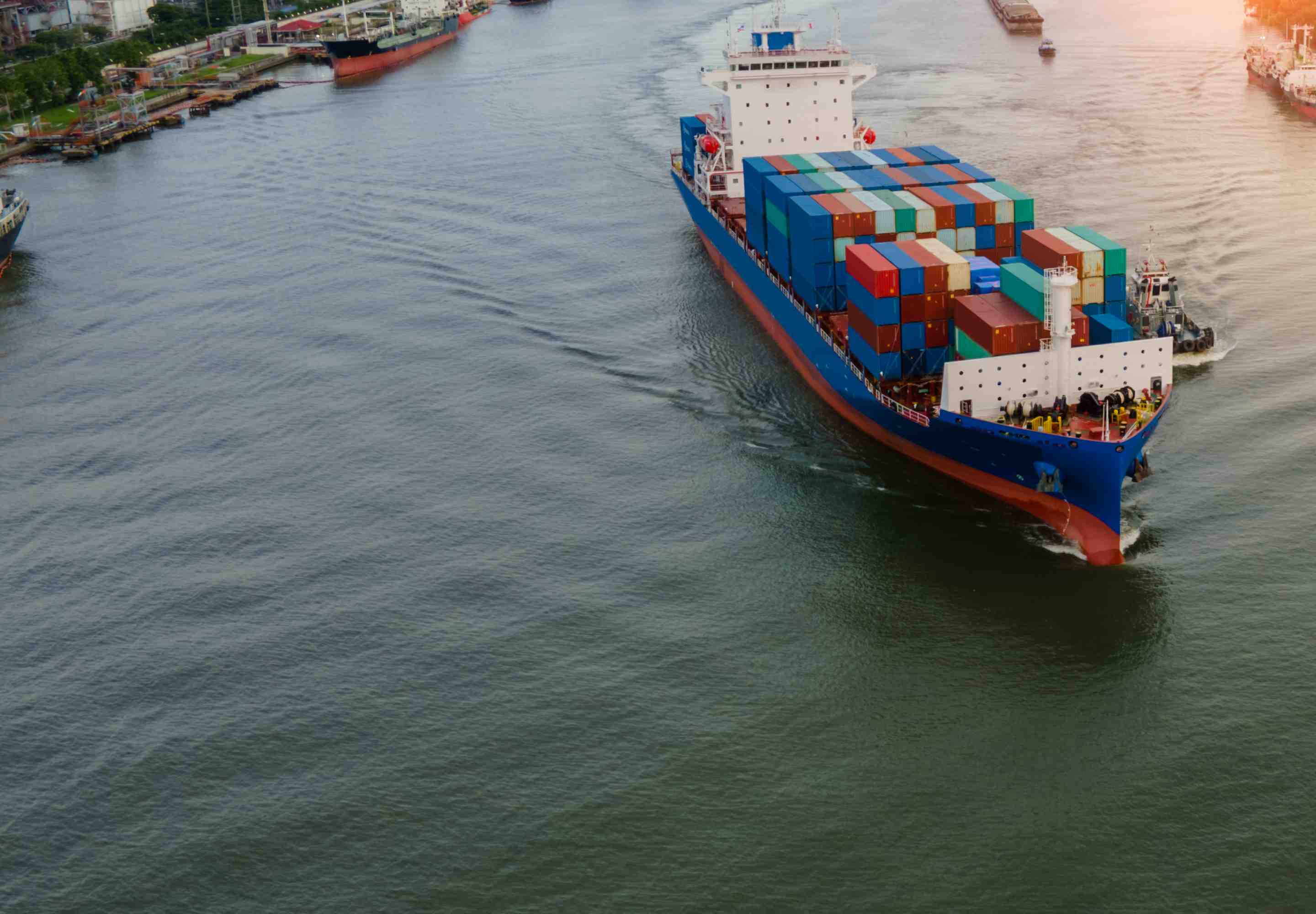
This is where the phrase “a logistical nightmare” applies: A critical shipment is suddenly delayed — stuck at a port, disrupted by a power outage or held up by a rail stoppage inland. Production is at risk, customers’ orders are waiting and you don’t have hours to investigate and fix what went wrong. In South Africa, all these scenarios can happen at once, creating a perfect storm that keeps supply chain managers up at night.
What you need in a situation like this is a real-time alternative. Manual processes simply won’t find solutions fast enough. You need to know what’s happening right now, what could go wrong next and what your best options are.
Enter digital twins. They help you make sense of the problems as they happen, give you a clear understanding of what actions to take and even uncover issues you might not have spotted yet.
What is a digital twin?
A good place to start is with what a digital twin isn’t. Many people confuse digital twins with the older supervisory control and data acquisition (SCADA) or other digital visualization systems. They’re not the same thing. A digital twin is far more dynamic. It’s a live, virtual version of your supply chain, continuously updated with operational data and even external information such as news events and regional instability to simulate real-world scenarios.
These digital twins are essential in supply chain management because they can handle the kind of real-time information that humans can’t process fast enough. They see everything across your entire supply chain at once, 24x7.
Why this matters locally
A big practical advantage of digital twins is how they help you plan ahead. Because they connect continuous streams of data, you have the information at your fingertips to model different scenarios upfront. For example, if a shipment is delayed, a digital twin will show you the knock-on effects and how you can plan around them.
For manufacturers in South Africa and around the world who operate on a knife edge, this is crucial. Planning becomes responsive and informed, and decisions can be made at lightning speed.
AI: The digital twin’s wise sibling
AI adds a layer of intelligence to a digital twin. While the twin shows what’s happening across the supply chain, AI interprets it. By analyzing patterns, learning from past behavior and identifying risks before they become issues, AI turns the digital twin’s data into actionable insights. It also plays an important role in scenario modeling and risk management.
Orchestrating the supply chain
Digital twins and AI also help break down silos within supply chains. Planning, logistics and operations often run on their own systems, with teams relying on manual cross-checks to understand how one affects the other. But once these systems talk to each other, information starts to flow. The supply chain manager knows immediately when something changes and can respond in a more coordinated way.
Smarter decisions on the shopfloor
Digital twins and AI also play a key role on the shopfloor. They use sensor data to detect signs of wear, triggering maintenance alerts that avoid costly breakdowns. They also highlight anomalies that may affect quality. For manufacturers balancing tight production windows with limited room for error, these early warnings help teams intervene before small issues become bottlenecks.
Building resilience
This brings a level of resilience to the supply chain that was difficult to achieve before. Instead of rebuilding plans every time something changes, you have a system flexible enough to adapt as needed. Disruptions will happen — that’s the nature of the industry — but the combination of AI and a digital twin make these disruptions easier to address.
Not all AI is created equal
AI covers a wide range of technologies, and not all of them play a meaningful role in supply chain planning. GenAI and agentic AI models are starting to show potential, especially for summarizing information and exploring options. But according to IDC research, machine learning is the one doing most of the heavy lifting right now — analyzing historical data, finding the patterns and creating projections of disruptions.
Understanding your supply chain footprint
Sustainability has become an integral part of supply chain management. To report properly, you must understand your organization’s emissions across Scope 1 (your direct emissions), Scope 2 (the energy you buy) and most, importantly, the most difficult to manage, Scope 3 (everything in your value chain).
Digital twins and AI make this far easier by pulling together data that would traditionally sit in different systems or across different partners. Sensors monitor energy in real time, digital twins can model how materials and products move through the chain, and AI can interpret these flows to show where the biggest impact is being created.
Instead of calculating emissions retrospectively, you now have a live view of your entire footprint and how sourcing, routing or production can affect your emissions.
Integrating the technology
Digital twins don’t operate in isolation. They rely on the systems that already run your business. For many organizations, that means SAP for planning and Microsoft tools for analytics. When digital twins connect to these platforms, information moves freely and you get a clearer, more accurate picture of what’s happening across your supply chain.
A big part of this is the convergence of IT and OT. Data from machine sensors and production systems feeds directly into planning and logistics environments. Instead of relying on manual updates, teams see what’s happening in real time.
This type of integration isn’t always straightforward. But with the help of NTT DATA’s global and local expertise and our long-standing relationships with SAP and Microsoft, we can connect these systems in a way that works for you.
No more weak links in the chain
Supply chains will always face disruption — it’s par for the course. Ports will slow down, energy will fluctuate and global events will intervene. But with digital twins and AI, you’re no longer in the dark. You have full visibility, actionable insights and a lot more control. Add in the right technology foundations, and these insights become even more usable.
This is your opportunity to make your supply chain far less vulnerable to the kind of logistical nightmares that once stopped you in your tracks.



.svg?rev=774d9d770375429b87fbcd2c5861bf3f)