
-
Featured services
-
Services
Alle Services und Produkte anzeigenNutzen Sie unsere Fähigkeiten, um die Transformation Ihres Unternehmens zu beschleunigen.
-
Services
Network-Services
Beliebte Produkte
-
Services
Cloud
Beliebte Produkte
-
Services
Consulting
-
Edge as a Service
-
Services
Data und Artificial Intelligence
- KI und intelligente Lösungen
- Daten-/KI-Strategie und -Programm
- Data Engineering und Plattformen
- Daten-Governance und -management
- Datenvisualisierung und Entscheidungsfindung
- $name
- GenAI Platforms
- GenAI Industry Services
- GenAI Infrastructure Services
- GenAI Value Transformation
- Data und Artificial Intelligence
-
-
Services
Global Data Centers
-
Beliebte Produkte
-
Services
Application Services
-
-
Services
Digital Workplace
-
Services
Business Process Services
-
Services
Generative AI
-
Services
Cybersecurity
-
Services
Enterprise Application Platforms
![]()
IDC MarketScape: Anbieterbewertung für Rechenzentrumsservices weltweit 2023
Holen Sie sich den IDC MarketScape -
-
Erkenntnisse
Einblicke und RessourcenErfahren Sie, wie die Technologie Unternehmen, die Industrie und die Gesellschaft prägt.
-
Erkenntnisse
Ausgewählte Einblicke
-
Die Zukunft des Networking
-
Using the cloud to cut costs needs the right approach
When organizations focus on transformation, a move to the cloud can deliver cost savings – but they often need expert advice to help them along their journey
-
So funktioniert Zero-Trust-Sicherheit für Ihr Unternehmen
Sorgen Sie dafür, dass Zero-Trust-Sicherheit für Ihr Unternehmen in hybriden Arbeitsumgebungen funktioniert.
-
-
Erkenntnisse
-
-
Erfahren Sie, wie wir Ihre Geschäftstransformation beschleunigen können
-
Über uns
Neueste Kundenberichte
-
Liantis
Im Laufe der Zeit hatte Liantis, ein etabliertes HR-Unternehmen in Belgien, Dateninseln und isolierte Lösungen als Teil seines Legacysystems aufgebaut.
-
Randstad
We ensured that Randstad’s migration to Genesys Cloud CX had no impact on availability, ensuring an exceptional user experience for clients and talent.
-
-
-
- Karriere

Future-proof your factory: IoT solutions for South Africa’s energy crisis
IoT and AI deliver real-time energy insights across electricity, gas and liquid fuels, helping South African manufacturers improve efficiency and resilience

Contents
Future-proof your factory: IoT solutions for South Africa’s energy crisis
Topics in this article
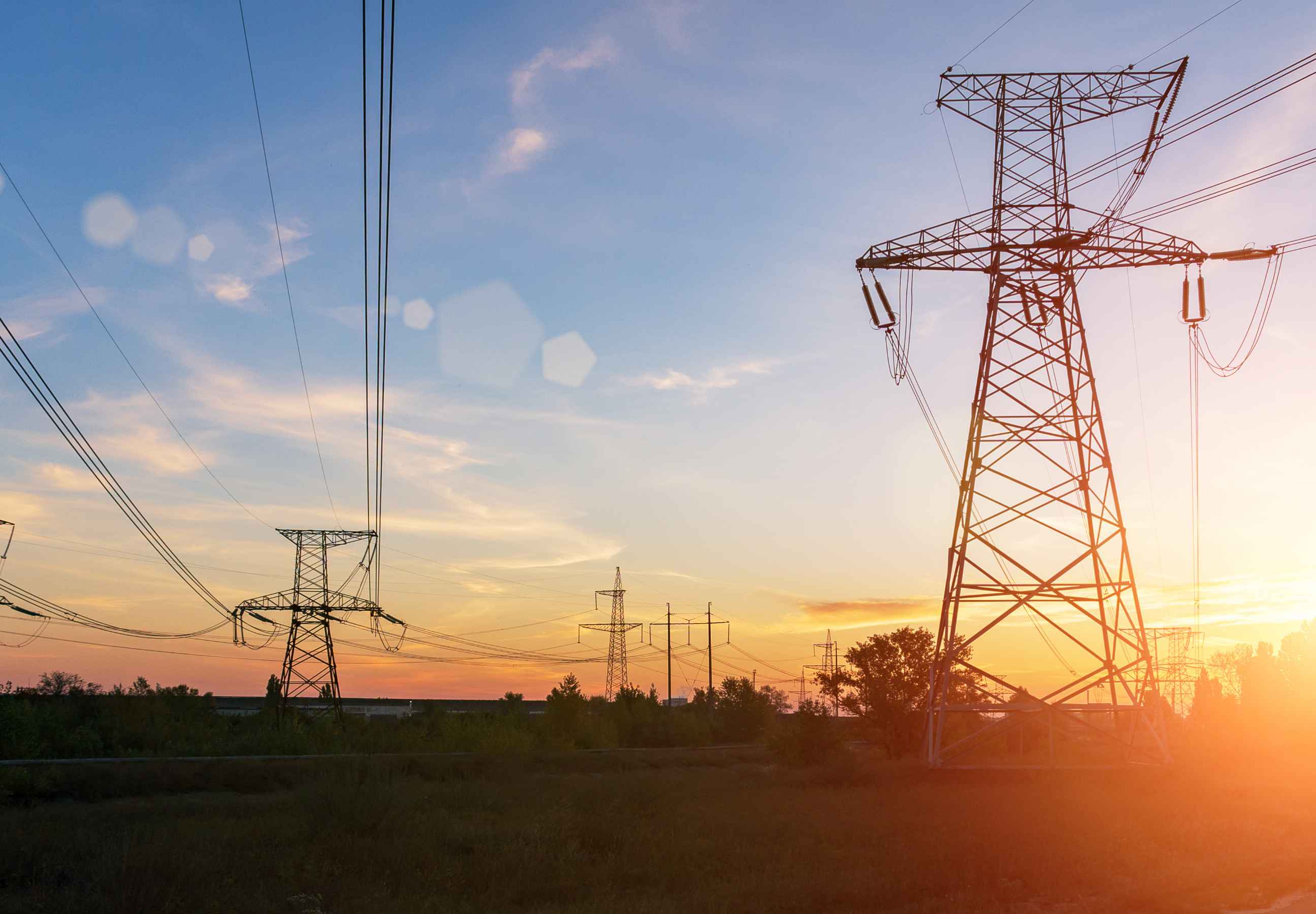
South Africa’s unstable power grid has dominated the headlines for years — and for good reason. National electricity utility Eskom’s aging infrastructure, maintenance backlog and supply shortfalls have turned blackouts and load reductions into part of daily life.
To make matters worse, electricity tariffs are up by more than 900% since 2007. No sector carries this weight quite like manufacturing. When the power goes, production stops and the bottom line dips. According to ScienceDirect, the electricity crisis in South Africa is curtailing economic growth by two percentage points every year.
But the real story is bigger than the grid.
Energy hyperinflation is pushing up the cost of manufacturing more quickly than many can keep up with. Diesel prices have doubled in three years, and liquid petroleum gas — which tracks global crude volatility — is driving up the cost of production across mining and manufacturing.
Quietly eroding profitability, these fuels account for 20%–30% of operating costs in heavy industry. Add to this rising carbon taxes and tightening global reporting expectations, and you have what can only be called a multifuel challenge.
Staying competitive, locally and globally, means understanding where hyperinflation is escalating your energy costs and having enough visibility to act on it.
Why visibility matters more than ever
Most factories still operate with limited insight into their energy usage — where it’s being consumed, where it’s being wasted and where it can be optimized. What this boils down to is that South African manufacturers don’t just have an energy problem — they have a data problem.
Without data and the insights it provides, every decision becomes reactive when it should be predictive. Energy bills arrive without an understanding of why they have spiked. Fuel usage goes up and down with no clear link to what’s happening on the floor or on the road, because the small things that drive those costs — a machine drawing extra power at peak times, pressure lost through air systems or a route that burns more fuel than necessary — are rarely noticed.
This challenge is amplified by the fact that most factories now manage several energy sources. Electricity, diesel, gas and heat processes all behave differently and respond to different price drivers, making it almost impossible to coordinate them without real-time data.
Without this visibility, manufacturers are left managing rising costs they can’t explain, let alone control.
Your factory floor has a story to tell — IoT helps you hear it
Every machine, every vehicle and every process can tell you what’s working, what’s not and what can be done more efficiently and cost-effectively. The problem is that most factories aren’t capturing this information, but you can — and the moment you do, the energy-consumption fog lifts and both your usage and inefficiencies come into focus.
IoT gives you real-time visibility into how energy — regardless of its source — is used across the factory floor. Smart sensors monitor electricity loads, measure diesel and gas consumption, track generator runtime and capture performance data from equipment that was previously a black box. Once you have this information, you can start reducing waste and emissions.
AI takes this one step further. By analyzing the live data, AI can forecast demand, spot anomalies and predict equipment failure. It can even recommend the most efficient mix of electricity, gas and liquid fuels for both cost and emissions. With AI, energy management becomes just that — management and not guesswork.
Carbon efficiency: The new procurement metric
Numbers matter, and not just those that reflect price — not anymore. As global supply chains decarbonize, buyers are putting a new emphasis on the emissions profile of every product they source. Price is still important, but in an era of net-zero commitments, it’s not the only number on the table. Procurement teams now evaluate suppliers on a combined score incorporating cost and carbon impact.
For South African manufacturers looking to compete globally, this shift in procurement practices is unavoidable. Exporters supplying Europe already face carbon taxes, and Corporate Sustainability Reporting Directive-driven reporting requirements mean multinationals must disclose the emissions of their entire value chain — right down to the energy mix of their local suppliers. Without accurate, real-time data, it becomes almost impossible to meet these expectations, let alone compete for preferred-supplier status.
This is where IoT and AI-driven data becomes invaluable. The same data that helps you manage energy spending is the foundation for automated Scope 1 (your direct emissions), Scope 2 (the energy you buy) and, importantly, Scope 3 (everything in your value chain) emissions reporting. It gives you the ability to quantify your carbon position, reduce it strategically if necessary and demonstrate it in a way buyers can trust.
As carbon rapidly becomes a competitive metric, visibility is a qualification to do business.
Rethinking energy: Hybrid solutions for a volatile market
In South Africa, volatility is a constant. Manufacturers are always rethinking how they source and balance their energy. Many are moving toward hybrid setups — solar energy, batteries and generators — which stabilize supply but still leave operations exposed to diesel price increases.
Some solutions are highly innovative: Manufacturers are finding opportunities to repurpose waste streams as part of their energy strategy. Heat from ovens or furnaces can be captured and reused; compressed air exhaust can be redirected; and in some plants, waste biomass is being converted into fuel. These interventions are small on their own, but together they reduce manufacturers’ dependence on external energy sources and improve overall efficiency.
Gas-based systems are emerging too, particularly where stable heat loads are essential. Gas offers pricing predictability and forms a bridge between future alternatives such as biofuels and green hydrogen, which are already being piloted in mining and heavy industry.
For energy-intensive operations, fuel hedging is becoming part of the resilience planning, supported by real-time dashboards that show when to switch fuels, run equipment or store energy.
What all these pathways have in common, though, is that none of them work without accurate, integrated data. Visibility is what turns diverse energy sources into a coordinated, resilient strategy.
EMOS: The game changer
For manufacturers navigating a volatile, multifuel environment, visibility is only the first step. They also need a way to bring all that data together and act on it in real time. That’s exactly what NTT DATA’s Energy Management Optimization System (EMOS) does.
EMOS integrates live data from electricity, gas and liquid fuels into a single platform, giving you a consolidated view of how energy is consumed across your entire operation. IoT sensors collect the data, edge devices process it instantly and AI models analyze patterns, forecast demand and recommend optimizations.
EMOS also reduces reporting complexity. The same data used to manage operations also supports Scope 1, 2 and 3 emissions reporting, Corporate Sustainability Reporting Directive (CSRD) compliance and the transparency that global buyers now expect. Early deployments in South Africa reported in government studies delivered 10%–15% energy savings and reduced diesel burn during blackouts, proving the impact of data-driven energy management.
Power you can count on: Data insights
Energy volatility has reshaped the realities of manufacturing in South Africa. The ability to see, understand and optimize every fuel source has become a critical differentiator.
NTT DATA unites IoT, AI and integrated energy platforms like EMOS to capture the data that matters and translate it into meaningful, actionable insight. Let us help you connect your data, intelligence and systems to transform energy volatility into lasting resilience.



.svg?rev=774d9d770375429b87fbcd2c5861bf3f)